Curious about how a vacuum actually works? While you might think vacuums simply suck up dirt from the carpet, there’s more to it than meets the eye. From vacuum pressure and carpet filtration systems to air streams, each component plays a crucial role in banishing dust bunnies and debris from your floors. Exploring the inner workings can help you understand the technology behind keeping your space clean effortlessly.
Key Takeaways
- Understanding the basics of how a vacuum works can help you make informed decisions when purchasing or using one.
- Knowing the components and types of vacuums available can aid in selecting the most suitable option for your needs.
- Actionable Insight: Regular maintenance, such as cleaning filters and checking for clogs, can enhance the performance and lifespan of your vacuum.
- Different types of vacuums, including shop vacs, robotic vacuums, and central vacuum systems, offer unique benefits tailored to specific cleaning requirements.
- By grasping the mechanics behind robotic vacuums like Roomba, users can optimize their usage and efficiency.
- Relevance: Filter types play a crucial role in the effectiveness of a vacuum, so choosing the right filter is essential for achieving desired cleaning results.
Vacuum Basics
Suction Principle
When you use a vacuum cleaner, suction is created by a motor that drives a fan to pull air and debris into the machine. The pressure difference between the inside of the vacuum and the surrounding area leads to the suction force. This force is vital for effectively cleaning your floors and surfaces.
The suction power of a vacuum cleaner determines how well it can pick up dirt and dust. A stronger suction power means the vacuum can lift more debris from different surfaces, making your cleaning tasks more efficient.
Airflow Mechanism
During operation, air streams through a vacuum cleaner from the intake port to the exhaust port. This airflow is crucial for picking up debris as it carries dirt from the surface into the machine’s dustbin or bag. The efficiency of this airflow directly impacts how well your vacuum can clean various types of flooring.
The relationship between airflow and suction power is essential for optimal cleaning performance. A balanced airflow ensures that debris is effectively lifted off surfaces, while strong suction power helps in collecting it efficiently.
Negative Pressure
Negative pressure refers to a state where the pressure inside a closed system is lower than that outside it. In a vacuum cleaner, negative pressure enables the machine to suck in dirt and debris from your floors and carpets. This mechanism relies on creating an environment with lower pressure than its surroundings.
Vacuum Components
Motor Function
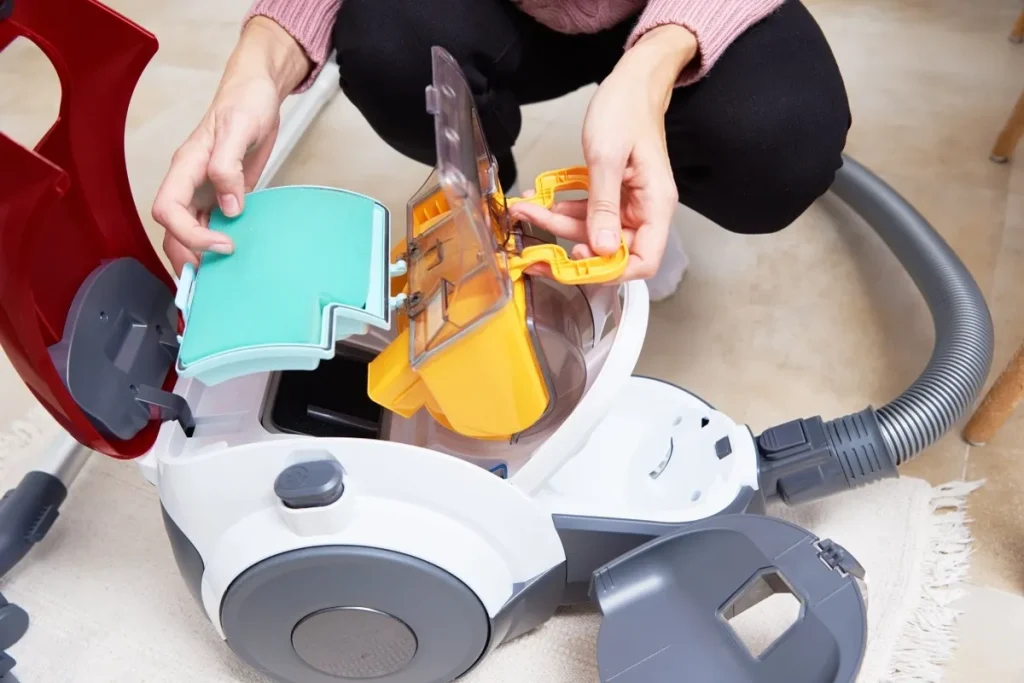
The motor in a vacuum cleaner is crucial as it powers the entire system. It drives the fan, which creates suction by moving air rapidly. The efficiency of the motor directly impacts how well your vacuum performs overall.
When you turn on your vacuum, the motor kicks into action, spinning the fan at high speeds. This spinning motion generates airflow, which in turn creates suction that pulls in dirt and debris from surfaces. A more powerful and efficient motor translates to better suction and cleaning performance for your vacuum cleaner.
Fan Role
The fan plays a vital role in a vacuum by generating airflow within the machine. As the fan spins, it moves air through the vacuum, creating suction that picks up dirt and dust from surfaces. The design of the fan significantly influences how effectively the vacuum can clean.
By spinning rapidly, the fan draws air into the vacuum, creating low pressure that sucks up dirt and debris. A well-designed fan ensures optimal airflow, maximizing suction power for thorough cleaning. Different fan designs can impact how efficiently your vacuum operates and cleans different surfaces.
Filter Importance
Filters are essential components of vacuums as they trap dust particles and allergens during cleaning. They play a crucial role in maintaining good indoor air quality while you vacuum. Various types of filters are used in vacuums, each serving specific functions to improve air quality.
Filters prevent dust and allergens sucked up by the vacuum from being released back into the air. They capture these particles, ensuring that only clean air is expelled from the machine. HEPA filters, for example, are highly effective at trapping tiny particles like pollen and pet dander, making them ideal for allergy sufferers.
Dustbin Purpose
The dustbin in a vacuum serves as a container for collecting dirt and debris from your floors during cleaning. Its purpose is to hold all the waste until you empty it out after each use. Having a convenient dustbin makes disposing of collected dirt quick and hassle-free.
After using your vacuum, make sure to regularly empty the dustbin to maintain its efficiency. An overflowing or clogged dustbin can reduce suction power and hinder cleaning performance. Keeping it clean ensures that your vacuum operates optimally every time you use it.
Types of Vacuums
Upright Models
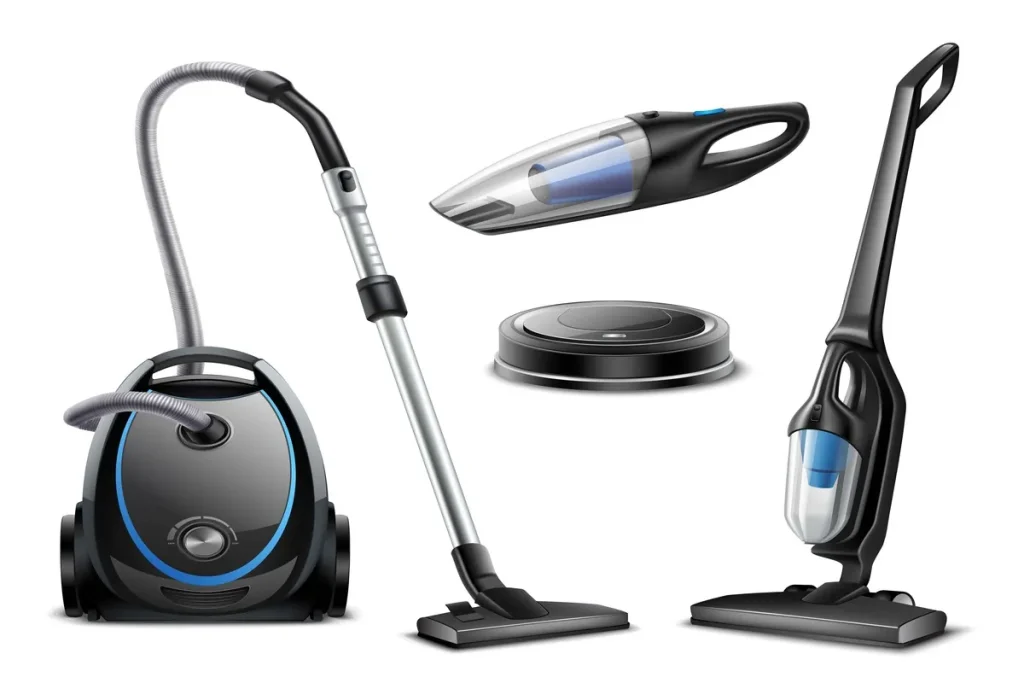
They are known for their powerful suction and efficient cleaning. With a built-in motor, these models excel at deep cleaning carpets by effectively lifting dirt and debris from the fibers. The upright design also allows for easy maneuverability, making it ideal for navigating around furniture and tight spaces.
Upright vacuums offer the benefit of easy storage due to their compact nature, perfect for those with limited space. The long power cord on many upright models enables you to clean large areas without constantly unplugging and moving to different outlets. The brush roll feature helps agitate carpet fibers, ensuring a thorough clean with each pass.
Canister Variants
Canister vacuum cleaners stand out for their unique design, featuring a separate canister that houses the motor and dust collection system. This design provides excellent suction power while allowing for a more lightweight and maneuverable cleaning experience. The versatility of canister models makes them suitable for various surfaces, from hardwood floors to carpets.
One of the key advantages of canister vacuums is their ability to reach under furniture and into tight spaces with ease. The long hose attachment offers extended reach, making it convenient to clean stairs, upholstery, and drapes effortlessly. Their compact size and lightweight construction make them easy to carry around the house for quick cleaning tasks.
Robotic Cleaners
For those seeking convenience in cleaning, robotic vacuum cleaners offer an automated solution that navigates your home independently. These innovative devices use advanced sensors and technology to detect obstacles and navigate around furniture seamlessly. By scheduling cleaning tasks through a mobile app, you can ensure your floors stay clean without manual intervention.
Robotic cleaners utilize intelligent algorithms to map out your home’s layout, ensuring comprehensive coverage during each cleaning cycle. The low-profile design allows them to reach under beds and sofas easily, capturing dust bunnies and debris in hard-to-reach areas. With features like automatic docking for recharging, robotic cleaners provide a hassle-free cleaning experience.
Handheld Options
Compact and versatile, handheld vacuum cleaners are perfect for quick cleanups and spot treatments in between regular cleaning sessions. Their lightweight design makes them easy to maneuver around furniture legs or car interiors without causing strain on your arms or wrists. Ideal for pet hair removal or spills, handheld vacuums offer targeted cleaning solutions.
Equipped with attachments such as crevice tools and upholstery brushes, handheld models can tackle various surfaces effectively. Their cordless operation enhances portability, allowing you to move freely without being restricted by power cords. When not in use, handheld vacuums can be conveniently stored in small spaces like closets or cabinets for quick access when needed.
How Vacuums Work
Creating Suction
When you turn on your vacuum, the motor powers the fan, creating airflow that generates suction. This suction is what pulls in dirt and debris from your floors. The strength of the suction depends on factors like the motor power, fan design, and airflow efficiency.
To create powerful suction, the motor spins the fan rapidly, which in turn moves air through the vacuum cleaner. As air moves quickly through the system, it creates a low-pressure area that sucks up dirt and dust particles. The efficiency of this process determines how effectively your vacuum can clean different surfaces.
Factors influencing suction strength:
- Motor power
- Fan design
- Airflow efficiency
Debris Collection
Once the dirt is sucked into the vacuum, it needs to be efficiently collected and stored for later disposal. Modern vacuums use various methods to collect debris, such as dust bags, dust cups, or cylinders. Efficient debris collection is crucial for ensuring thorough cleaning of your home.
Effective debris collection not only keeps your floors clean but also prevents allergens and dust from being released back into the air. Different vacuum models offer unique ways to dispose of collected debris, ranging from easy-to-empty dust cups to hygienic self-sealing bags.
Methods of debris disposal:
- Dust bags
- Dust cups
- Cylinders
Air Filtration
During vacuuming, air filtration plays a vital role in maintaining indoor air quality by trapping fine particles and allergens. Filters within the vacuum capture tiny particles that might otherwise circulate back into your home’s air. Advanced filtration systems in modern vacuums enhance this process.
Filters in vacuums come in various types like HEPA filters or carbon filters, each targeting specific pollutants for cleaner air. Investing in a vacuum with advanced filtration ensures not only a cleaner home but also fresher and healthier indoor air for you and your family.
Benefits of advanced filtration systems:
- Trapping fine particles and allergens
- Improving indoor air quality
Shop Vac Insights
Wet/Dry Functionality
When using a shop vac, you can benefit from its dual functionality for wet and dry cleaning tasks. The design allows you to switch between modes effortlessly. The wet function enables you to clean up spills and liquid messes efficiently without damaging the machine. This versatility makes it a valuable tool for various cleaning needs at home or work.
Shop vacuums are equipped with specialized features that make them suitable for handling liquids. The machine’s components are designed to prevent water from reaching the motor, ensuring safety during wet vacuuming tasks. With a shop vac, you can tackle both dry debris like dust and dirt as well as wet spills without needing multiple devices, simplifying your cleaning routine.
The wet/dry capability of shop vacuums offers convenience and efficiency in managing different types of messes. Whether you need to clean up a dusty workshop floor or remove water from a flooded basement, a shop vac’s versatile functionality makes it a reliable cleaning companion for various situations.
Shop Vac Components
Shop vacuums come with robust components designed for heavy-duty use. The high-capacity tanks allow you to collect large amounts of debris without frequent emptying. These vacuums feature sturdy hoses and attachments that can withstand demanding cleaning tasks in commercial and industrial environments.
The design of shop vacs includes durable filters that effectively trap dust particles and prevent them from circulating back into the air. The powerful suction capabilities of these machines make them ideal for picking up both fine dust and larger debris with ease. The rugged construction of shop vacuums ensures longevity and performance in challenging cleaning scenarios.
In commercial settings, shop vacuums are indispensable tools for maintaining cleanliness and tidiness. From construction sites to workshops, these machines excel in handling tough cleaning jobs efficiently. Industrial facilities also rely on shop vacs to keep work areas free of debris and maintain a safe environment for workers.
Robotic Vacuum Mechanics
Navigation Technology
When using a robotic vacuum, advanced navigation technology comes into play. Sensors integrated into the device help it detect obstacles and avoid collisions. These sensors enable the vacuum to navigate around furniture and other objects efficiently.
Modern robotic vacuums also utilize mapping systems to create a layout of your home. This mapping allows the vacuum to follow efficient cleaning routes, ensuring that no areas are missed during the cleaning process. The precision of these systems enhances the overall cleaning performance.
The benefits of smart navigation in robotic vacuums are immense. With systematic cleaning patterns, these devices can cover every corner of your home methodically. As a result, you can enjoy a thoroughly cleaned space without having to manually guide the vacuum or worry about missing spots.
Cleaning Process
Following a few simple steps can make a significant difference in efficiency. Start by clearing the floor of any large objects or debris that could obstruct the vacuum’s path. Next, turn on the device and let it roam freely across the designated area.
To ensure effective cleaning with your vacuum, pay attention to proper technique. Move the device slowly over each section of flooring to allow it enough time to pick up dirt and dust effectively. Regularly emptying the dustbin and cleaning or replacing filters will maintain optimal suction power for thorough cleaning results.
Maintaining your vacuum cleaner is crucial for its longevity and performance. By following regular maintenance routines, such as cleaning brushes and filters, you can prevent clogs and ensure consistent suction power. Proper maintenance not only extends the lifespan of your device but also guarantees efficient cleaning every time you use it.
Roomba Operation
Sensing Obstacles
When using a Roomba, you might wonder how it effortlessly navigates around furniture and other obstacles. Vacuum cleaners like Roomba are equipped with various sensors that detect objects in their path. These sensors include infrared sensors, cliff sensors, and touch-sensitive bumpers. They work together to ensure the Roomba can move smoothly without causing any damage.
The infrared sensors help the Roomba detect obstacles by emitting signals that bounce back when they hit an object. This information allows the vacuum cleaner to adjust its path and avoid collisions. On the other hand, cliff sensors prevent the Roomba from falling off stairs or ledges by detecting sudden drops in height. touch-sensitive bumpers serve as a physical barrier that triggers a change in direction when they come into contact with an obstacle.
To enhance obstacle detection capabilities, some advanced Roomba models also utilize camera-based navigation systems and laser mapping technology. These features provide a more comprehensive view of the surroundings and enable the vacuum cleaner to create detailed maps for efficient cleaning routes.
Preventing damage to both your furniture and the Roomba itself is crucial. The obstacle avoidance technology not only ensures smooth navigation but also contributes to prolonging the lifespan of your vacuum cleaner by reducing potential collisions.
Dirt Detection
Innovations in vacuum cleaner technology have led to the development of advanced dirt detection systems in modern models like the Roomba. These systems use optical sensors, acoustic sensors, and even dirt analysis algorithms to identify areas with higher levels of dirt or debris.
When these sensors detect concentrated areas of dirt, they signal the vacuum cleaner to focus on those spots and adjust its cleaning settings accordingly. For instance, if a particular section of your floor is dirtier than others, the Roomba will increase suction power or spend more time cleaning that specific area.
The benefits of dirt detection are significant; they ensure thorough cleaning by targeting areas that need more attention while optimizing cleaning efficiency. By incorporating dirt detection features, modern robotic vacuums like Roomba can deliver a deeper level of cleanliness throughout your home.
Central Vacuum Systems
Installation Basics
When setting up a central vacuum system, ensure you have all the necessary components ready. Begin by installing the main power unit in a central location like the garage or basement. Follow this by connecting PVC pipes to create the network that runs through your walls.
For the assembly process, start by attaching tubing to the power unit and strategically placing inlet valves throughout your home. Ensure to secure all connections tightly to prevent air leaks. Finally, connect the tubing to each inlet valve, completing the installation.
It is crucial to meticulously follow manufacturer instructions during installation. This ensures optimal performance and longevity of your central vacuum system. Failure to adhere to these guidelines may result in subpar suction power and potential system malfunctions.
System Advantages
Using a central vacuum system offers numerous advantages for efficient cleaning. Integrated vacuum systems provide superior suction power compared to traditional portable vacuums, ensuring thorough cleaning of carpets and floors. The centralized nature of these systems eliminates the need to lug heavy vacuums from room to room.
The efficiency of central vacuum systems stems from their ability to capture dust and debris in a remote location away from living spaces. This not only reduces noise levels during cleaning but also enhances indoor air quality by preventing recirculation of allergens and dust particles. With improved air quality, you can breathe easier and enjoy a healthier living environment.
Filter Types
HEPA Filters
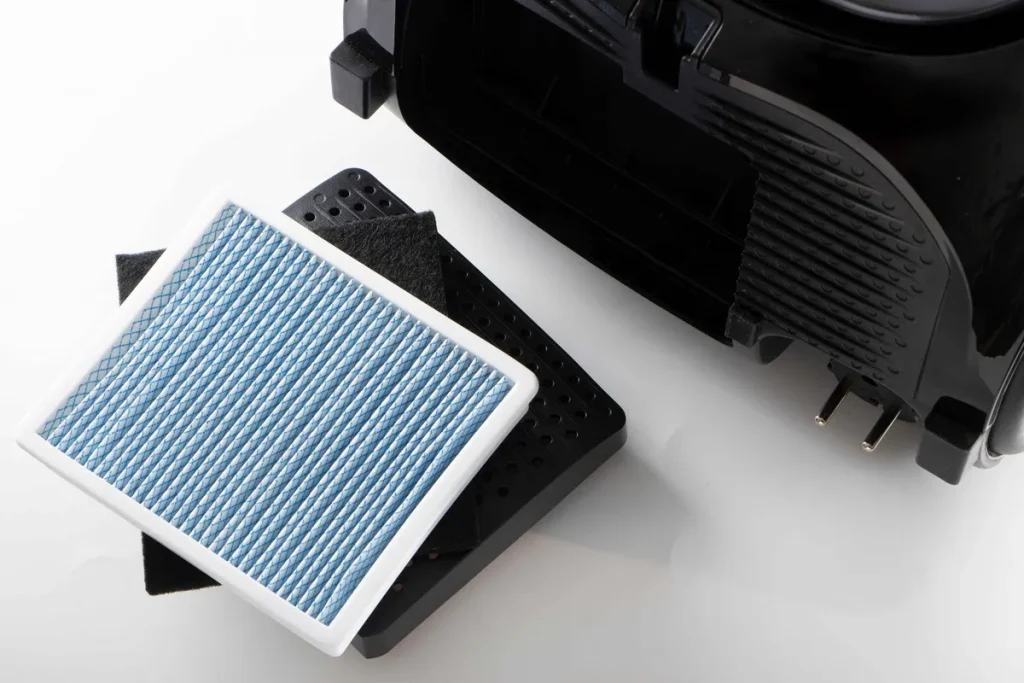
HEPA filters are highly efficient in capturing fine particles and allergens, making them ideal for individuals with allergies or respiratory issues. By trapping microscopic particles, HEPA filters improve indoor air quality significantly, reducing the risk of health problems caused by poor air circulation. Regular maintenance and replacement of HEPA filters are crucial to ensure their effectiveness over time.
- Benefits of HEPA filters: Efficiently capture fine particles and allergens.
- Role in improving indoor air quality: Significantly reduce health risks associated with poor air circulation.
- Importance of regular maintenance: Ensure long-term effectiveness in filtering out harmful particles.
Washable Filters
Washable filters offer a cost-effective solution for maintaining your vacuum cleaner. By cleaning and reusing washable filters, you can save money on replacements while contributing to environmental sustainability. The process of cleaning washable filters is simple – just rinse them with water and let them dry before reinserting into the vacuum cleaner.
- Benefits of washable filters: Cost-effective maintenance solution.
- Cleaning process: Rinse with water and let dry for reuse.
- Environmental advantages: Reduce waste generation compared to disposable filters.
Final Remarks
Now that you understand how vacuums work, you can make informed decisions when choosing the right one for your needs. From the basic components to the intricate mechanics of robotic vacuums, you have gained valuable insights into how these devices operate. Whether you opt for a traditional upright vacuum or a modern central vacuum system, knowing how they function empowers you to maintain a clean and healthy environment effortlessly.
Take your newfound knowledge and apply it when selecting your next vacuum cleaner. Consider the type of flooring in your home, the size of the area you need to clean, and any specific requirements you may have. By choosing a vacuum that aligns with your needs, you can ensure efficient cleaning results while prolonging the lifespan of your device. Make an informed choice for a cleaner home today!