Many people have a cordless drill at home. Some people wonder if they can use a cordless drill as a screwdriver. The short answer is yes, you can use a cordless drill to drive screws. But there are some things you must know before you start.
Using a drill as a screwdriver can make work faster and easier. It can also save you money because you do not need to buy a separate tool. In this article, you will learn when and how to use a cordless drill as a screwdriver.
You will also learn what to watch out for, what tips help, and what problems can happen.
What Is A Cordless Drill?
A cordless drill is a hand tool. It uses a battery to turn a bit. You can use it to make holes in wood, metal, or plastic. You can also use it to drive screws. The drill has a motor, a battery, and a chuck.
The chuck holds the bit in place. You can charge the battery when it gets low. Most cordless drills are easy to hold and use.
Some drills are big and heavy. Some are small and light. The small ones are easy to use for long jobs. The big ones can make bigger holes or drive bigger screws. You can buy a cordless drill at most hardware stores.
What Is A Screwdriver?
A screwdriver is a simple hand tool. It has a handle and a metal shaft. The end of the shaft fits into the head of a screw. You turn the handle with your hand. This turns the screw into wood or another material.
Screwdrivers come in many sizes and shapes. The most common types are flat-head and Phillips-head. Flat-head screwdrivers fit into straight slots. Phillips-head screwdrivers fit into cross-shaped slots.
How Does A Cordless Drill Work As A Screwdriver?
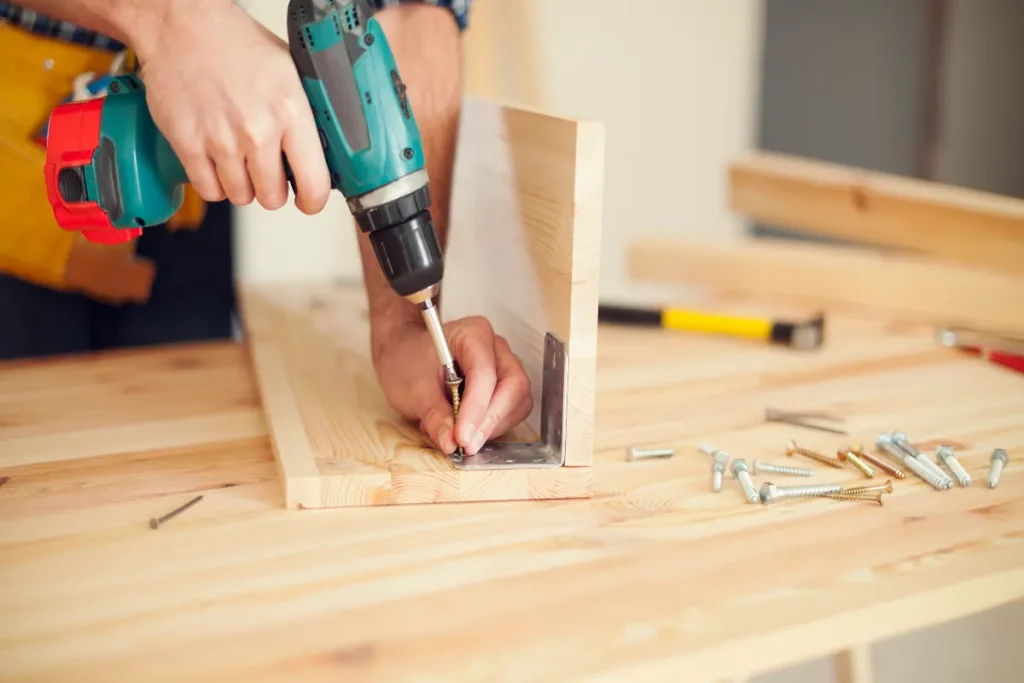
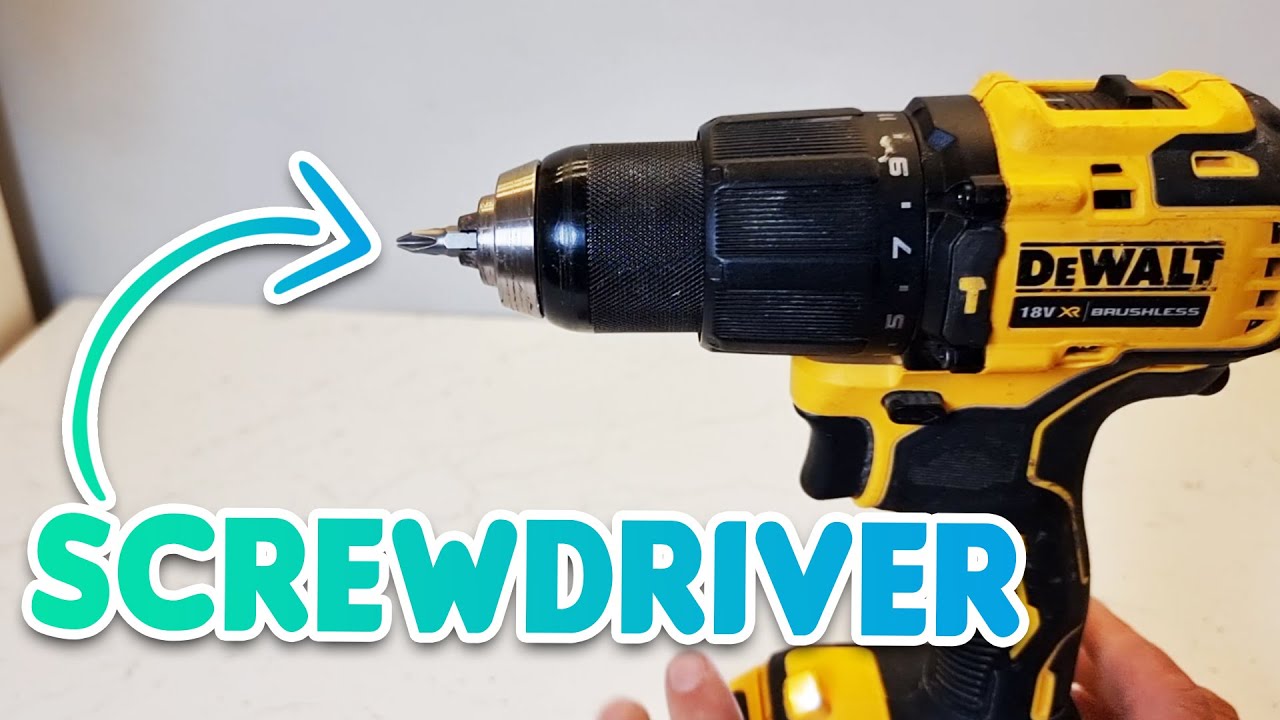
You can use a cordless drill to drive screws. First, you must put a screwdriver bit into the drill’s chuck. The bit should match the screw head. Next, you set the drill to a low speed. This gives you better control.
Some drills have a special setting for driving screws. It is called a clutch. The clutch stops the drill when the screw is tight.
You hold the drill like a gun. You put the bit on the screw head. You squeeze the trigger slowly. The drill turns the screw. When the screw is tight, you stop. If the drill has a clutch, it will stop turning by itself.
This keeps you from stripping the screw head or driving the screw too deep.
The Benefits Of Using A Cordless Drill As A Screwdriver
Using a cordless drill as a screwdriver can help you in many ways:
- Faster work: A drill can drive screws much faster than your hand.
- Less tiredness: Your hand and wrist do not get tired as fast.
- Better for big jobs: If you have many screws, a drill saves time and energy.
- Good for tough materials: A drill can push screws into hard wood or thick plastic easily.
- Works with many screw types: You can change bits to fit almost any screw.
Credit: www.youtube.com
The Differences: Cordless Drill Vs. Screwdriver
You may wonder what makes a drill different from a screwdriver. Here are some key differences:
| Feature | Cordless Drill | Screwdriver |
|---|---|---|
| Power Source | Battery | Your hand |
| Speed | Fast | Slow |
| Control | Less precise | Very precise |
| Best For | Many screws, hard jobs | Small jobs, tight spaces |
A cordless drill can do more work, but a screwdriver gives you more control. Sometimes, you need both tools.
How To Use A Cordless Drill As A Screwdriver: Step By Step
You can use a cordless drill as a screwdriver if you follow these steps:
- Pick the right bit: Choose a bit that matches the screw head. Use a Phillips bit for cross-shaped screws. Use a flat-head bit for straight slots.
- Insert the bit: Open the chuck. Put the bit in. Tighten the chuck so the bit does not fall out.
- Set the speed: Use a low speed. This helps you control the drill.
- Set the clutch: If your drill has a clutch, set it to a low number. This will keep you from driving the screw too deep.
- Check the battery: Make sure your battery is charged.
- Hold the drill steady: Put the bit into the screw head. Hold the drill straight.
- Squeeze the trigger: Press the trigger slowly. The screw will turn into the wood.
- Stop when tight: Let go of the trigger when the screw is tight. Do not over-tighten.
This process is simple, but you should practice on scrap wood first. This will help you get a feel for the tool.
What Bits Do You Need?
You need special bits to use a cordless drill as a screwdriver. These are called driver bits. They come in many shapes and sizes. The most common types are:
- Phillips bit: For cross-shaped screws
- Flat-head bit: For straight slot screws
- Torx bit: For star-shaped screws
- Square bit: For square-shaped screws
Buy a set of driver bits so you have the right one for every job. You can find these at hardware stores.
When Not To Use A Cordless Drill As A Screwdriver
You should not always use a drill to drive screws. There are some times when a hand screwdriver is better:
- Small or delicate work: For tiny screws or soft materials, a drill can strip the screw or damage the wood.
- Tight spaces: A drill may not fit in small or awkward spots.
- Precision work: If you need to stop at a very exact spot, a screwdriver gives you better control.
Common Problems And How To Fix Them
You can avoid most problems if you know what to look for. Here are some common problems:
The Bit Slips Out Of The Screw
This happens when the bit does not fit the screw head. It can also happen if you do not press hard enough.
Fix: Use the right bit. Push the drill into the screw head as you turn.
The Screw Goes Too Deep
This happens if you squeeze the trigger too long or use too much power.
Fix: Use the clutch. Start with a low setting. Stop as soon as the screw is flush with the surface.
The Screw Head Strips
The bit can wear down the screw head. Then you cannot turn the screw anymore.
Fix: Use the right bit. Do not use too much speed or pressure.
The Drill Battery Dies Fast
Drills use a lot of power. The battery can run out quickly.
Fix: Charge your battery before you start. Keep a spare battery if you have one.
Safety Tips For Using A Cordless Drill As A Screwdriver
You should always be safe when you use power tools. Here are some safety tips:
- Wear safety glasses to protect your eyes.
- Keep your hair and loose clothes away from the drill.
- Do not touch the bit right after use. It can get hot.
- Do not use a drill near water.
- Keep your hands away from the spinning bit.
- Turn off the drill before changing bits.

Credit: abutterflyhouse.com
Choosing The Right Cordless Drill For Screwdriving
Not all cordless drills are the same. Some are better for driving screws than others. Here are some things to look for:
| Feature | Why It Matters |
|---|---|
| Variable speed | You can control how fast the screw turns. |
| Clutch | This stops the screw at the right depth. |
| Light weight | Easy to hold for a long time. |
| Good grip | Less chance of slipping. |
| Battery life | Lets you work longer without charging. |
If you use your drill for many screws, pick one with these features.
Cordless Drill Or Impact Driver: What’s The Difference?
Some people use the words “drill” and “driver” for the same tool, but they are not the same.
A cordless drill is good for making holes and driving screws. An impact driver is better for driving long screws into hard wood. It gives short bursts of power to turn tough screws. Impact drivers are louder and harder to control for small screws.
If you only need to drive normal screws, a cordless drill is fine.
Real-world Examples
Let’s look at how people use a cordless drill as a screwdriver in real life.
- You build a bookshelf. You need to drive 30 screws. A cordless drill makes this job much faster.
- You fix a loose hinge on a door. You use a drill with a Phillips bit to tighten the screws in seconds.
- You put together flat-pack furniture. The drill helps you finish the job without sore hands.
Tips For Best Results
Here are two tips that many beginners miss:
- Check the screw length: If your screw is too long, the drill may not be able to drive it all the way in. Start with a small pilot hole to help the screw go in straight.
- Use the right pressure: Let the drill do the work. Do not push too hard. Too much pressure can damage the material or strip the screw.
Mistakes People Make When Using A Drill As A Screwdriver
People often make these mistakes:
- They use the wrong bit. This strips the screw head.
- They use high speed. This can over-drive the screw or damage the wood.
- They do not use the clutch. This can make the screw go too deep.
- They let the battery run out in the middle of a job.
Is It Worth Buying A Separate Screwdriver?
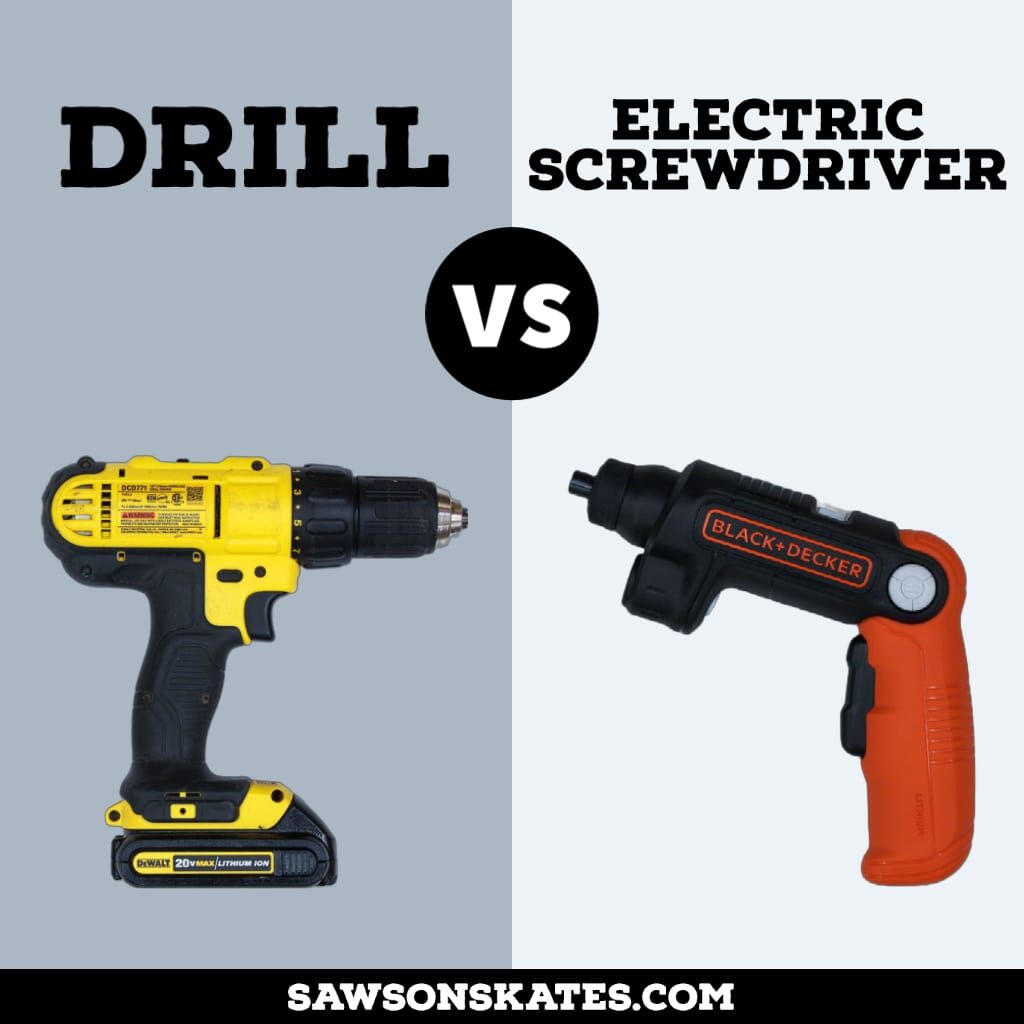
If you only need to drive a few screws sometimes, a cordless drill is enough. If you do lots of small or careful work, a hand screwdriver is better. Some people buy an electric screwdriver. This is like a small drill made just for screws.
These tools are lighter and easier to control.
Environmental Impact: Battery Vs. Manual Tools
Cordless drills use batteries. Batteries need to be charged and replaced. This can be bad for the planet if you do not recycle old batteries. Manual screwdrivers do not use power, so they are better for the environment. Try to recycle drill batteries at a special center.
What Experts Say
Many experts say you can use a cordless drill as a screwdriver for most jobs. They recommend using the right bit and clutch setting. They also say to practice first.
Credit: sawsonskates.com