Did you know that failing to change your air purifier filter regularly can reduce its efficiency by up to 50%? Maintaining clean indoor air is crucial for your health and well-being. By knowing how often to change air purifier filter, you can ensure that your device functions optimally, providing you with fresh and clean air at all times.
Regularly changing your air purifier filter not only improves the air quality in your home but also extends the lifespan of your machine. In this post, we will discuss the importance of changing your air purifier filter, signs that indicate it’s time for a replacement, and helpful tips on creating a maintenance schedule for optimal performance. Stay tuned for expert advice on keeping your indoor air clean and healthy.
Key Takeaways
- Regular Replacement: Change your air purifier filter based on the manufacturer’s recommendations to ensure optimal performance.
- Monitor Signs: Keep an eye out for signs like reduced airflow or odors to know when it’s time to replace the filter.
- Filter Types: Understand the differences between HEPA, activated carbon, and pre-filters to choose the right one for your needs.
- Maintenance Routine: Establish a routine for cleaning and replacing filters to maintain air quality in your home.
- Consult Professionals: Seek advice from experts or the manufacturer for specific guidance on filter replacement and maintenance.
- Prolonging Life: Follow proper care instructions and consider using a pre-filter to extend the lifespan of your main filter.
Understanding Filters
Types
When it comes to filters, air purifiers offer various options such as HEPA, carbon, and pre-filters. Each type serves a specific purpose. HEPA filters excel in trapping tiny particles like dust and pollen. Carbon filters, on the other hand, are great for eliminating odors and harmful gases. Pre-filters act as the first line of defense by capturing larger particles.
Pros:
- HEPA filters effectively remove allergens.
- Carbon filters eliminate unpleasant odors.
- Pre-filters extend the lifespan of other filters.
Cons:
- HEPA filters may need frequent replacements.
- Carbon filters might not be as effective against all pollutants.
- Pre-filters require regular cleaning to maintain efficiency.
Lifespan
Understanding the lifespan of air purifier filters is crucial. Typically, HEPA filters last around six to twelve months before needing replacement. Carbon filters usually need changing every three to six months to maintain indoor air quality and should be reviewed regularly. Pre-filters, however, can last up to three months depending on usage.
Knowing when to replace your filter is essential. If you notice a decrease in air quality or increased allergies, it’s time for a change. Different filter types have varying lifespans due to their unique functions and materials used.
Maintenance Tips
Taking care of your air purifier filter is key to its longevity and performance. Regularly cleaning the filter can significantly impact its effectiveness. Make sure to follow the manufacturer’s recommended cleaning methods for optimal maintenance.
Here are some maintenance tips for your air purifier filter:
- Vacuum or wash the filter regularly to remove trapped particles.
- Check the filter monthly for any signs of damage or clogging.
- Avoid using harsh chemicals during cleaning as they may deteriorate the filter material.
Importance of Replacement
Air Quality
When it comes to air quality, maintaining clean air purifier filters is crucial. Clean filters trap allergens and pollutants, ensuring fresher indoor air. The filter’s condition directly impacts the quality of the air you breathe.
Discover how air purifier filters impact indoor air quality. Learn how clean filters contribute to reducing allergens and pollutants. Understand the correlation between filter condition and air quality improvement.
Efficiency
Efficiency is key when it comes to air purifier filters. Different filters offer varying levels of efficiency. Filters with high efficiency ratings enhance the effectiveness of air purification, ensuring cleaner indoor air.
Explore the efficiency levels of different . Understand how filter efficiency affects air purification effectiveness. Choose filters with high efficiency ratings for better air cleaning results.
Health Benefits
Regularly changing your air purifier filters brings a myriad of health benefits. Breathing cleaner air can significantly improve your respiratory health. Reduced allergens and pollutants in the air can alleviate allergy symptoms, promoting overall well-being.
Recognize the health benefits of changing air purifier filters regularly. Breathing cleaner air can lead to improved respiratory health. Reduced allergens and pollutants can help alleviate allergy symptoms.
Frequency Guidelines
General Recommendations
When it comes to changing air purifier filters, follow general guidelines. Consider factors like usage frequency and air quality for filter replacement. Stay informed about manufacturer recommendations for optimal filter performance.
Environment Factors
Understand how environmental factors affect filter lifespan. Air pollution levels and pet dander can impact filter longevity. Adapt replacement schedules based on specific environmental conditions.
Usage Intensity
Adjust filter replacement frequency based on air purifier usage intensity. High usage environments may require more frequent changes. Monitor filter condition regularly to gauge the impact of usage intensity.
Filter Types Explained
HEPA Filters
HEPA filters require specific maintenance to ensure optimal performance. Follow manufacturer guidelines for cleaning or replacing HEPA filters regularly. Benefits of HEPA filters include capturing small particles effectively for cleaner indoor air.
Carbon Filters
Carbon filters offer unique benefits in controlling odors. Adhere to recommended replacement intervals to maintain effectiveness. Recognize that carbon filters play a crucial role in enhancing indoor air quality.
Pre-Filters
Pre-filters are vital for prolonging the main filter’s lifespan. Replace pre-filters based on manufacturer recommendations to maximize air purification efficiency. Understand that pre-filters capture larger particles, improving overall filter performance.
Signs to Replace
Visible Damage
When inspecting your air purifier filter, keep an eye out for visible damage such as tears, holes, or discoloration. These signs indicate that the filter is deteriorating and may not be effective. Replacing filters with visible damage is crucial to maintain good air quality.
- Tears, holes, or discoloration are indicators of filter deterioration.
- Replacing damaged filters prevents compromised air quality.
Decreased Performance
If you notice a decrease in your air purifier’s performance, it’s time to consider replacing the filter. Symptoms like reduced airflow or weaker odor control suggest that the filter is becoming less efficient. Addressing decreased performance promptly by replacing the filter can help maintain optimal air purification.
- Reduced airflow or weaker odor control signal filter inefficiency.
- Promptly replace the filter to maintain optimal air purification.
Unusual Noises
When using your air purifier, pay attention to any unusual noises it may produce. Uncommon sounds could be a sign of a clogged or damaged filter. Investigate further if you hear strange noises and consider replacing the filter if the issue persists.
- Unusual noises may indicate a clogged or damaged filter.
- Investigate and replace the filter if unusual noises persist.
Replacement Process
Preparation
When you’re ready to change theair purifier filter, prepare the necessary tools and replacement filter. Turn off and unplug the purifier for safety. Clear the area around it for easy access.
Step-by-Step Guide
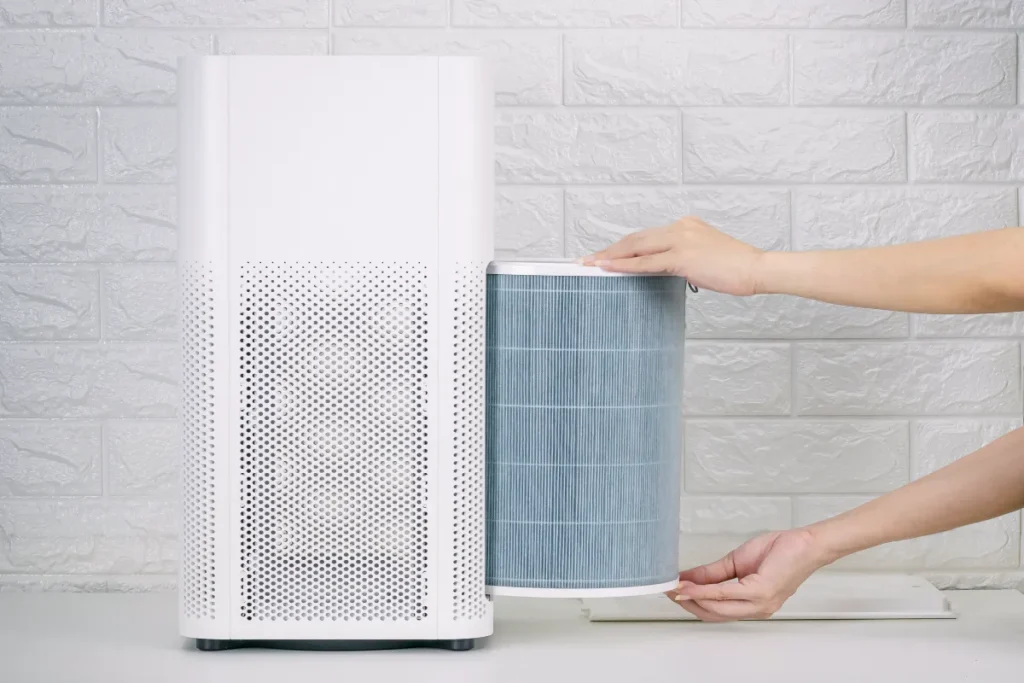
To replace the filter, follow a detailed guide. Remove the old filter carefully and dispose of it properly. Install the new one as per the manufacturer’s instructions.
Aftercare
After replacing the filter, ensure proper aftercare. Run the air purifier for a few hours to check its effectiveness. Monitor improvements in air quality post-filter replacement.
Extending Filter Life
Regular Cleaning
Incorporate regular cleaning of the air purifier into your maintenance routine. Dust the exterior of the purifier and clean the filter compartment. Keeping the purifier clean is crucial to prevent dust buildup and maintain efficiency.
Proper Installation
Ensure proper installation of the new filter for optimal performance. Follow the correct orientation and placement instructions provided by the manufacturer. Double-check the filter alignment before closing the purifier.
Avoiding Common Mistakes
Avoid common mistakes like neglecting filter replacement schedules. Don’t overlook cleaning the filter compartment during maintenance. Prevent issues by following manufacturer guidelines and recommendations.
When to Clean vs. Replace
HEPA Filters
When it comes to HEPA filters, it’s crucial to know when to clean and when to replace them. Cleaning can be done every 3 months by gently vacuuming the filter or using a soft brush. This helps maintain optimal performance and prolongs the filter’s lifespan. However, replacing the HEPA filter is necessary approximately every 12-18 months for maximum efficiency in capturing airborne particles effectively.
For HEPA filters, a key indication that it needs replacement is a noticeable decrease in air quality despite regular cleaning. If you notice persistent odors or increased dust in your home, it might be time to install a new HEPA filter. Remember, a well-maintained filter ensures cleaner air and better respiratory health for you and your loved ones.
Carbon Filters
Carbon filters are designed to absorb odors and gases, making them essential for maintaining fresh indoor air quality. Cleaning carbon filters is not recommended as it can reduce their effectiveness. Instead, replace carbon filters every 3-6 months, depending on usage and environmental factors like smoke or pet odors.
The lifespan of carbon filters depends on various factors such as the level of pollutants in your environment. If you notice lingering odors that persist even after cleaning, it’s a sign that your carbon filter needs replacement. By replacing these filters regularly, you ensure that your air purifier continues to eliminate unwanted odors effectively.
Pre-Filters
Pre-filters act as the first line of defense against larger particles like dust and hair before they reach the main filter. These filters are washable and reusable, making them cost-effective in the long run. You should clean pre-filters every 1-2 months by either vacuuming or rinsing them under water.
Regular maintenance of pre-filters not only extends the lifespan of your main filter but also enhances the overall performance of your air purifier. If you neglect cleaning or replacing pre-filters, they can become clogged with debris, reducing the efficiency of your air purifier in capturing smaller particles.
Professional Advice
Manufacturer’s Recommendations
When it comes to maintaining your air purifier, adhere to manufacturer recommendations for filter replacement. Follow the specified guidelines on filter lifespan and maintenance. The user manual will provide specific instructions on how to maintain your air purifier efficiently.
Ensure you check the manufacturer’s instructions for the recommended frequency of filter changes. By following these guidelines, you can maximize the effectiveness of your air purifier. Remember, each model may have different requirements, so it’s crucial to follow the manufacturer’s advice.
Expert Tips
Benefit from expert tips on maintaining and replacing air purifier filters effectively. To ensure optimal performance, consider cleaning pre-filters regularly to extend the life of the main filter. This simple step can significantly enhance your air purifier’s efficiency.
Learn insider tricks such as vacuuming reusable filters instead of washing them. This method helps maintain the filter’s integrity and prolong its lifespan. Rotating between two sets of filters can reduce wear and tear, ensuring consistent filtration performance.
Implement expert advice by investing in high-quality filters recommended by professionals. While these filters may be slightly more expensive, they often offer better filtration efficiency and durability. Prioritize filter quality to safeguard your indoor air quality effectively.
Closing Thoughts
Now that you understand the importance of regularly replacing your air purifier filter, follow the frequency guidelines provided to ensure optimal performance. Different filter types have specific signs indicating when to replace them, so be vigilant. Remember, cleaning can only do so much; replacing is key. Seek professional advice if unsure about the process.
Maintaining clean filters guarantees fresher air and a healthier environment for you and your loved ones. Don’t overlook this simple task that can make a significant difference in your indoor air quality. Stay proactive and prioritize filter replacements to reap the benefits of a well-functioning air purifier system.