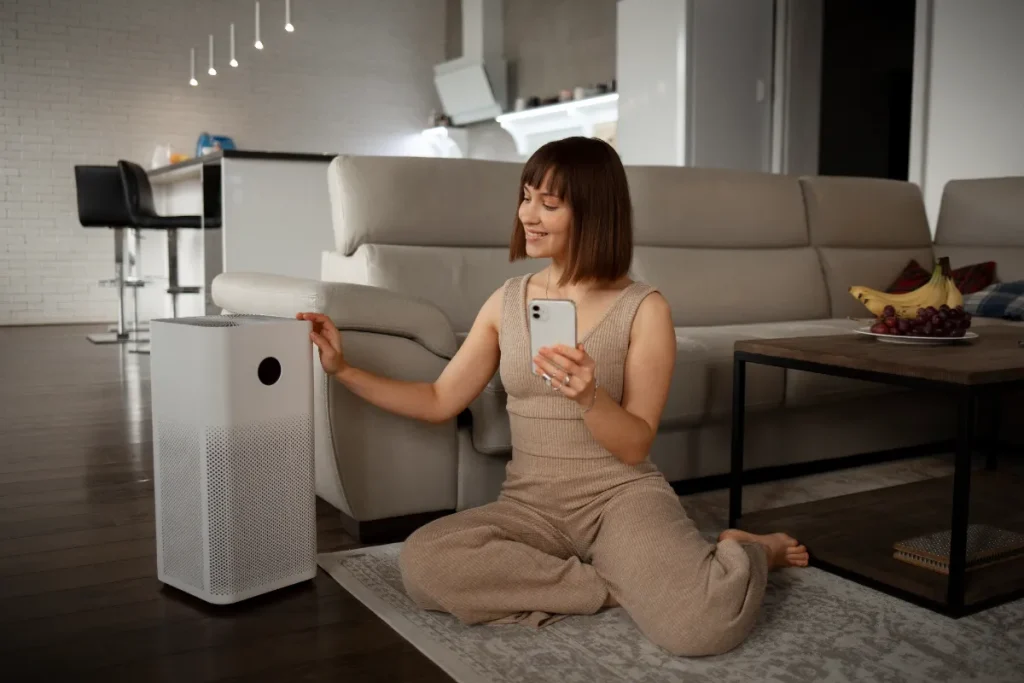
When it comes to improving your indoor air quality, knowing how to use an air purifier effectively is key. By understanding the ins and outs of this essential appliance, you can create a healthier environment for you and your loved ones. From setting up the device correctly to choosing the right filters, mastering the operation of an air purifier can make a significant difference in the air you breathe at home.
Key Takeaways
- Place your air purifier strategically: Position it in a central location away from obstructions for optimal air circulation.
- Regularly clean and replace filters: Follow manufacturer guidelines to maintain efficiency and improve air quality.
- Consider energy consumption: Choose energy-efficient models and adjust settings to balance performance and electricity use.
- Combine with AC for enhanced results: Use an air purifier alongside your air conditioner to tackle different pollutants effectively.
- Invest time in cleaning: Dedicate a few minutes each week for maintenance tasks to ensure long-term effectiveness.
- Enhance indoor air quality further: Supplement air purifier use with additional measures like proper ventilation and reducing sources of pollution.
Air Purifier Basics
Functions
When using an air purifier, understand its primary functions. It helps improve indoor air quality by removing pollutants. You can benefit from cleaner air.
Explore the features an air purifier offers. It may include HEPA filters, UV-C light, and activated carbon filters for home air purifier effect. These features enhance the purifying process.
Improving Quality
Using an air purifier can significantly enhance your home’s air quality. It eliminates allergens like dust, pollen, and pet dander. With cleaner air, you can breathe easier.
Investing in an air purifier is crucial for a healthier living environment. You reduce the risk of respiratory issues caused by poor indoor air quality. Your family’s health will improve.
An air purifier contributes to better overall air quality by trapping harmful particles. It removes pollutants that can cause allergies and respiratory problems. You create a safer space for everyone at home.
How It Works
Understand the mechanism behind how an air purifier operates to clean the air effectively. It pulls in contaminated air through filters to capture particles. The purified air is then released back into the room.
Learn about the filtration process used by an air purifier to eliminate impurities from the air. It uses filters like HEPA to trap tiny particles such as dust mites and mold spores. This ensures cleaner and fresher indoor air.
Explore the technology that enables an air purifier to improve indoor air quality efficiently. UV-C light technology kills germs and bacteria in the air, reducing the spread of airborne illnesses. With advanced features, you ensure a healthier environment at home.
Setting Up
Unboxing Steps
Follow the step-by-step guide for unboxing your new air purifier. Make sure to handle the packaging carefully. Learn how to properly set up your air purifier after unboxing by assembling the different parts. Ensure you have all the necessary components before starting the unboxing process to avoid any delays.
Right Placement
Room Center
Place your air purifier in the center of the room to ensure optimal air circulation throughout the space. Understanding why positioning the air purifier in the room center is crucial can enhance its performance. By placing the air purifier in the room center, you can maximize its efficiency in cleaning the air.
Height Matters
Consider the height at which you place your air purifier for efficient air cleaning and circulation. Learning about how the height of the air purifier impacts its effectiveness is essential for proper usage. Understand the ideal height range for placing your air purifier in different rooms based on their sizes.
Power Connection
Follow the correct steps for connecting your air purifier to a power source to ensure safety and functionality. Learn about the power requirements of your air purifier to prevent electrical issues during operation. Understanding the importance of a stable power connection is crucial for maintaining your air purifier’s proper functioning.
Optimal Positioning
Avoid Obstacles
When positioning your air purifier, ensure there are no obstacles that could block the airflow. Obstructions can reduce the effectiveness of your air purifier by limiting air circulation.
It’s crucial to keep the area around your air purifier clear of any items like furniture or curtains. Obstacles hinder the airflow, preventing the purifier from efficiently cleaning the air.
Near Pollutants Source
To enhance its efficiency, place your air purifier near potential sources of pollutants such as kitchens or pet areas. Proximity to pollutant sources allows the purifier to target specific areas for better air quality.
Positioning the air purifier close to where pollutants are generated can significantly improve its performance in capturing and filtering out harmful particles.
Room Size Consideration
When selecting an air purifier, it’s essential to consider the size of the room where it will be placed. Matching the size of the air purifier to the room ensures optimal purification results.
The effectiveness and coverage of your air purifier are directly influenced by the size of the room it is meant to clean. A smaller unit in a larger space may not provide adequate purification.
Maximizing Efficiency
Continuous Operation
- Keep your air purifier running continuously for uninterrupted air cleaning.
- Understand the benefits of running your air purifier 24/7 for optimal air quality.
- Learn how continuous operation can maintain a consistently clean indoor environment.
Doors Windows Closed
- Keep doors and windows closed while running the air purifier for efficient air purification.
- Understand why sealing off the room is important when using an air purifier.
- Learn how closed doors and windows help prevent external pollutants from entering the room.
Complement Efforts
Clean Regularly
- Establish a regular cleaning schedule for your air purifier to maintain its effectiveness.
- Learn the proper cleaning techniques to keep your air purifier in top condition.
- Understand the importance of regular maintenance for prolonging the lifespan of your air purifier.
Minimize Indoor Pollution
- Implement strategies to reduce indoor pollution alongside using an air purifier.
- Learn about common indoor pollutants and how to minimize their presence.
- Understand the role of lifestyle changes in minimizing indoor pollution levels.
Filter Maintenance
Clean Replace Regularly
When it comes to filter maintenance, you should follow a regular schedule for cleaning or replacing the filters in your air purifier. By doing so, you ensure that your air purifier functions efficiently. Learn to recognize signs that indicate when it’s time to clean or replace the filters. Neglecting this maintenance can greatly impact the performance of your air purifier.
Schedule Tips
To maintain optimal performance, create a maintenance schedule for your air purifier. This ensures that your air purifier consistently operates at its best. It’s crucial to know how often you should clean or replace the filters. A well-planned schedule is essential in optimizing the efficiency of your air purifier.
Importance of Timeliness
Emphasize the significance of timely filter replacements for effective air purification. Adhering to maintenance schedules is key to prolonging the life of your air purifier. Timely actions not only prevent issues but also help maintain the effectiveness of your air purifier.
Energy Consumption
Understanding Usage
When using an air purifier, familiarize yourselves with the usage guidelines for your specific model to optimize its performance. Different settings and modes on the purifier cater to various needs, such as speed or sleep mode. By comprehending these instructions, you can effectively enhance the air quality in your home.
Reducing Costs
To minimize expenses related to your air purifier, consider cost-effective maintenance practices. Regularly cleaning or replacing filters can extend their lifespan and efficiency. Explore energy-saving techniques like utilizing timers or adjusting fan speeds to reduce gas consumption and overall operating costs. Smart usage not only saves money but also ensures a continuous supply of clean air for you and your family.
Combining with AC
Air Purifier and AC
When you combine an air purifier with your air conditioner, you create a powerful duo that works together to improve your indoor air quality. The air purifier targets pollutants like dust, pollen, and pet dander, while the AC helps regulate temperature.
By integrating an air purifier into your AC system, you can enjoy a range of benefits. Not only will you breathe cleaner air, but you’ll also experience a reduction in allergens and odors in your home. This combination is especially beneficial for individuals with respiratory issues or allergies.
To enhance the efficiency of your air purifier, consider strategic placement within your living space. Placing it near sources of pollutants like pet areas or kitchens can maximize its effectiveness. Running the air purifier on a higher setting during peak pollution times can help maintain clean air.
Efficiency Tips
For optimal performance, make sure to regularly clean and replace the filters in your air purifier. Clogged filters can hinder airflow and reduce the unit’s efficiency. By following the manufacturer’s guidelines for filter maintenance, you can ensure that your air purifier operates at its best.
Another efficiency tip is to keep doors and windows closed while running both the air purifier and AC. This prevents outdoor pollutants from entering your home and allows the devices to effectively filter the existing indoor air. Maintaining a clean living environment through regular dusting and vacuuming can support the air purification process.
Small adjustments in your daily routine can go a long way in improving the efficiency of your air purifier when used in conjunction with an AC system. For example, minimizing the use of aerosol sprays or candles can reduce indoor pollutants, lessening the workload on your air purification setup.
Cleaning Time Estimate
Room Size Factor
When selecting an air purifier, consider the size of your room to ensure efficient air cleaning. Matching the room size to purifier capacity is crucial for optimal performance.
Understanding why room size matters helps you choose an air purifier that can effectively clean the air in your space. Different room sizes require varying air purifier capacities for maximum efficiency.
Purifier Capacity
The capacity of an air purifier directly impacts its effectiveness in cleaning the air in a specific room. Choosing the right capacity ensures thorough purification and coverage.
Various purifier capacities cater to different room sizes, ensuring that you can select one that best suits your needs. Exploring different capacities allows you to find the ideal option for your specific room dimensions.
Extra Indoor Quality Efforts
Reduce Pollutants Source
When it comes to reducing pollutants sources, take proactive steps in your home. Identify common sources and minimize their impact. Addressing pollutants alongside using an air purifier is crucial.
Common indoor pollutant sources include cleaning products, pet dander, and tobacco smoke. Minimize these sources by opting for eco-friendly cleaners, grooming pets regularly, and designating smoking areas.
By reducing pollutant sources, you enhance the effectiveness of your air purifier. Creating a cleaner environment benefits everyone at home, especially those with allergies or respiratory issues.
Regular Ventilation
Ensure proper ventilation to complement your air purifier’s function. Good air circulation helps distribute purified air throughout your living space.
Opening windows periodically allows fresh air to enter, aiding the air purifier in filtering out contaminants effectively. Ventilation also prevents stagnant air, reducing the buildup of pollutants indoors.
Humidity Control
Maintaining optimal humidity levels is essential for a healthy home atmosphere. Excessive moisture can lead to mold growth, affecting indoor air quality negatively.
Invest in a dehumidifier if needed to regulate humidity levels within the recommended range of 30-50%. This ensures that your air purifier operates efficiently, capturing airborne particles effectively.
Managing humidity not only promotes better air quality but also extends the lifespan of your air purifier. By controlling humidity levels, you create a comfortable living space while enhancing indoor air cleanliness.
Final Remarks
Now that you have a solid understanding of how to use an air purifier effectively, you are equipped to create a cleaner and healthier indoor environment for yourself and your loved ones. By following the tips outlined in this guide, you can optimize the performance of your air purifier, ensuring that it functions efficiently and improves the air quality in your home. Remember to regularly maintain your filters, position the unit strategically, and consider integrating it with your AC system for enhanced results.
Take action today to implement these suggestions and enjoy the benefits of breathing cleaner air in your living spaces. Your health and well-being are worth the effort. Keep up with the maintenance routines, experiment with different settings, and observe the positive impact on your indoor air quality. Stay proactive in creating a healthier home environment for a better quality of life.